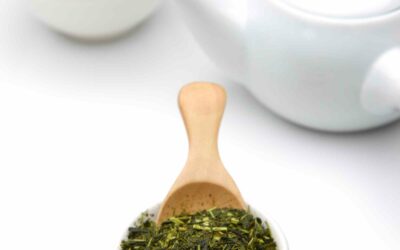
TAMAYURA Japanese green teas are grown in the south of Japan, on the island of Kyushu. Find out more about the Japanese sense of hospitality via our selection of teas (Sencha, Genmaicha, Houjicha, Gyokuro and Matcha) and our range of products.
How Tamayura teas are produced
Cultivated in the Yamé region, in the south of Japan, the leaves are transported the same day they are picked to be processed. Production takes place in two stages:
• 1st stage: sorting and sizing, steaming (humidifying), ventilation drying, sizing, then high-temperature drying to stop fermentation.
• 2nd stage: sizing into three categories (small bits of leaf, medium-sized bits of leaf, and whole leaves). Hot-air drying terminates the process and the leaves are dried at room temperature before the three categories are assembled according to the different tastes required.
Origins
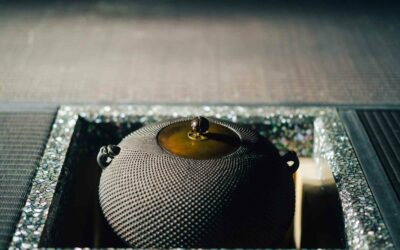
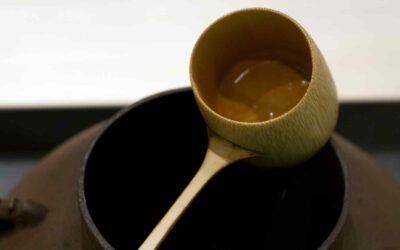
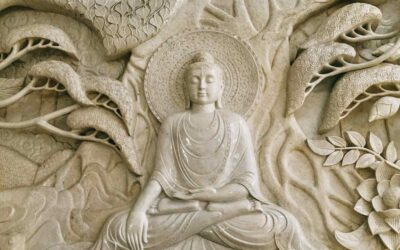
Seeds from tea bushes were brought to Japan by Japanese monks who had studied in China. The consumption of tea reached its peak in the 16th century, when Sen No Rikyu documented the Japanese tea ceremony (Chanoyu), which drew its inspiration from Zen philosophy.
Japan was infl uenced by three successive cultural waves from China, corresponding to three major periods of prosperity and power. These three periods
infl uenced the way in which tea was served: during the fi rst period, tea was boiled; then powdered, whisked tea became fashionable, and the fi nal period introduced tea using leaves that had been brewed. However, the second manner of serving tea continues to be used in tea ceremonies (matcha) while the third manner (ochas) remains the way tea is served on a daily basis.